Showing posts with label science. Show all posts

montessori cultural nature table

  PURPOSE: To cultivate and inspire a love of nature and curiousity for what is not yet known or understood.
Suggestions:
           Make sure when planning the layout of your classroom, to incorporate a place for a nature table. The table should be stable and there should be enough room for the children to walk around it. The nature table should be short enough for the children to reach across it without having to stand on their toes to reach. This is a special place. Children are expected to treat the items with the utmost respect as if they were in a museum environment. This is why I try to dedicate at least one shelf in the classroom to botany in addition to the nature table which can house things that the children have collected themselves as well as things from a teacher's private collection. It is the teacher's responsibility to make sure that there are always items of interest on the table and to rotate them regularly. I like to keep a basket of magnifying glasses on the table for the children to examine more closely.
Some suggestions for starting a nature table in your home or classroom: seasonal items, botany experiments, vase of native flowers, leaves, seeds, once living specimens, etc.
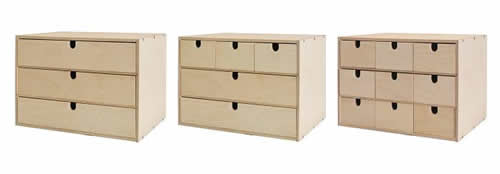
Wooden drawers available at Ikea

EXTENSIONS:
  • Allow children to bring nature items from home and display them on the table.
  • Provide dusters and shelf/ table cleaning work in practical life so the children can help keep the table clean and learn to care for the display items.
  • Buy some drawers from Ikea and orginize your specimens -children can be allowed to take out one drawer out at a time. Drawers are not to be mixed.
  • Make it a job to maintain the table. A "classroom scientist" whose task it is to maintain the appearance of the table can be placed on your daily job chart
LINKS:

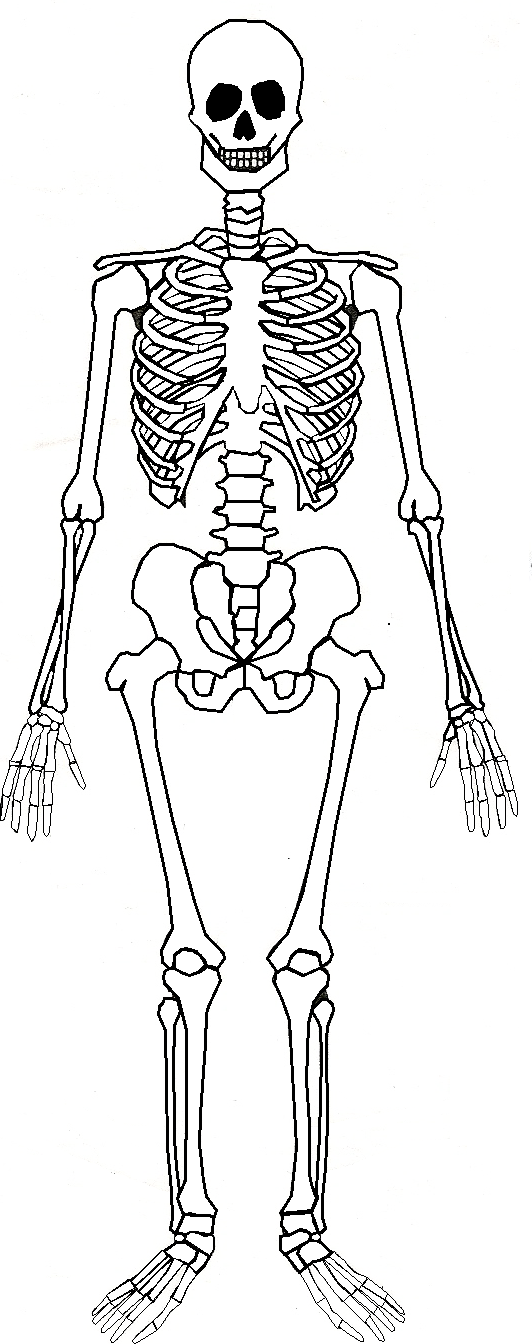
montessori nomenclature FREE human skeleton 3 part cards & book

Here are the parts of the human skeleton 3 part cards and book if you are interested:


3 part cards in three parts:
  1. MISSING PELVIS CARD
NOTE: There was a problem with the skeleton nomenclature cards -the PELVIS card was missing. That problem has been resolved. Please download #4 for the missing card. Download #3 has been updated to show the missing card. Thank you Ajar for bringing this to my attention. :)

Parts of a skeleton book:

montessori nomenclature - parts of a bulb 3 part cards & book


http://www.boston.com/yourlife/home/gallery/1109_tulips/
Its that time of year again! October through November is the perfect time to plant bulbs for early spring blooms. I can't help but get excited by such surprises. Last year when there was nothing much to plant october and november we planted lots of bulbs and we had lots of flowers to study in the spring. If you are planting bulbs with children have them dig the holes and you can apply the teaspoon of bulb food. Always make sure you wash your hands after handling bulbs. Make sure to use real terms when giving directions for planting. For example, "The roots will grow down into the soil; The roots emerge from the basal plate; The tunic will help protect the bulb from the dry cold" etc. etc. There are other ways to observe bulbs. Forcing bulbs is the easiest way to literally watch them as they grow from bulb to bloom. The best bulbs to force (that I've had success with atleast) are amarylis and hyacinths. Another way to learn about bulbs in depth are by learning about the only ones that are edible.

DEFINITIONS of UNDERGROUND STORAGE SYSTEMS:
http://www.montessorimaterials.org/Science/bulbmaterial.pdf

Picture Cards of EDIBLE BULBS:

www.forums.gardenweb.com  www.specialtyproduce.com www.science.howstuffworks.com  www.blackbookcooking.com  www.dealtagger.com  www.folkremedies.net  www.healthnewsonline.org  www.bonapetit.com  www.pyroenergen.com  http://www.sciencephoto.com/media/217553/enlarge


Parts of a BULB 3 part cards


Parts of a BULB Book:


LIFECYCLE of a BULB cards:


Definition of BULB lifecycle terms:
Dormancy The bulb is dormant and has been gathering energy after its spring bloom for the last several months. It will remain this way unless it is harvested for fall planting.

Planting The bulb has been planted and is now forming roots to prepare for winter. It is continuing to gather energy for its blooms.

Pre-Bloom New growth emerges through the soil as soil temperatures warm in the spring and late winter.

Bloom Time The bulb has spent almost a whole year gathering energy for its spring blooms. It has rested and received the proper amount of light, moisture and cold temperatures and is now ready to bloom.

Preparing for Dormancy Once the blooms have faded, the foliage begins to yellow and fade away. The bulb is not dying, but rather gathering energy through the leaves for the next season's blooms.
links: http://www.hollandbulbfarms.com/newtogardening.asp

montessori physical science Simple Machines


If you have small objects for this job, I would strongly recommend preparing this activity as an object to picture matching activity. Also, consider introducing the machines two at a time to effectively compare and contrast.